
Learning designed for life.
Learn, Explore, Innovate and Evolve form one continuous cycle—illustrated here through the real experiences of our students and community.
Holistic education needs both depth and movement.
At Shri Sitaram School, we are committed to providing students with a rich educational experience that connects academic knowledge with personal development. Our four principles are not isolated programmes. They describe how a learner moves from first understanding toward investigation, creation, reflection and increasingly independent action.
The complete text of our educational philosophy is presented below, together with every original photograph previously used on this page. Landscape, square and portrait photographs retain their natural proportions so that people, activities, exhibits and surroundings remain complete.
Make knowledge meaningful, connected and challenging.
Learning becomes powerful when students can connect new knowledge with experience, ask worthwhile questions and recognise how ideas operate in the world beyond a textbook.
We make education meaningful by connecting lessons with real-world examples, contemporary events and situations that students can observe around them. Relevance gives learners a reason to pay attention: a concept is remembered more deeply when a child understands what it explains, why it matters and how it can be used.
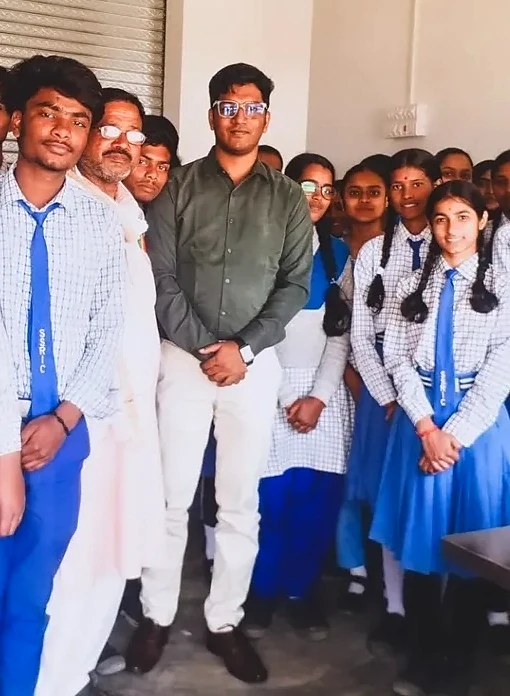
Strong connections between teachers and students are central to this process. A collaborative classroom gives learners the confidence to ask questions, admit uncertainty, exchange ideas and learn with others. Teamwork and empathy are therefore not separate activities; they are part of the way understanding is built.
Our academic expectations are intentionally high. Students encounter complex tasks that require critical and creative thought rather than simple repetition. Teachers provide regular feedback, model effective strategies and use thought-provoking activities to help learners strengthen both subject knowledge and the habits needed for future success.
Reflection completes meaningful learning. Students are encouraged to assess their own work, respond constructively to peer feedback and identify what should happen next. This develops metacognition—the ability to understand and direct one’s own learning—which remains valuable long after a particular lesson or examination has ended.
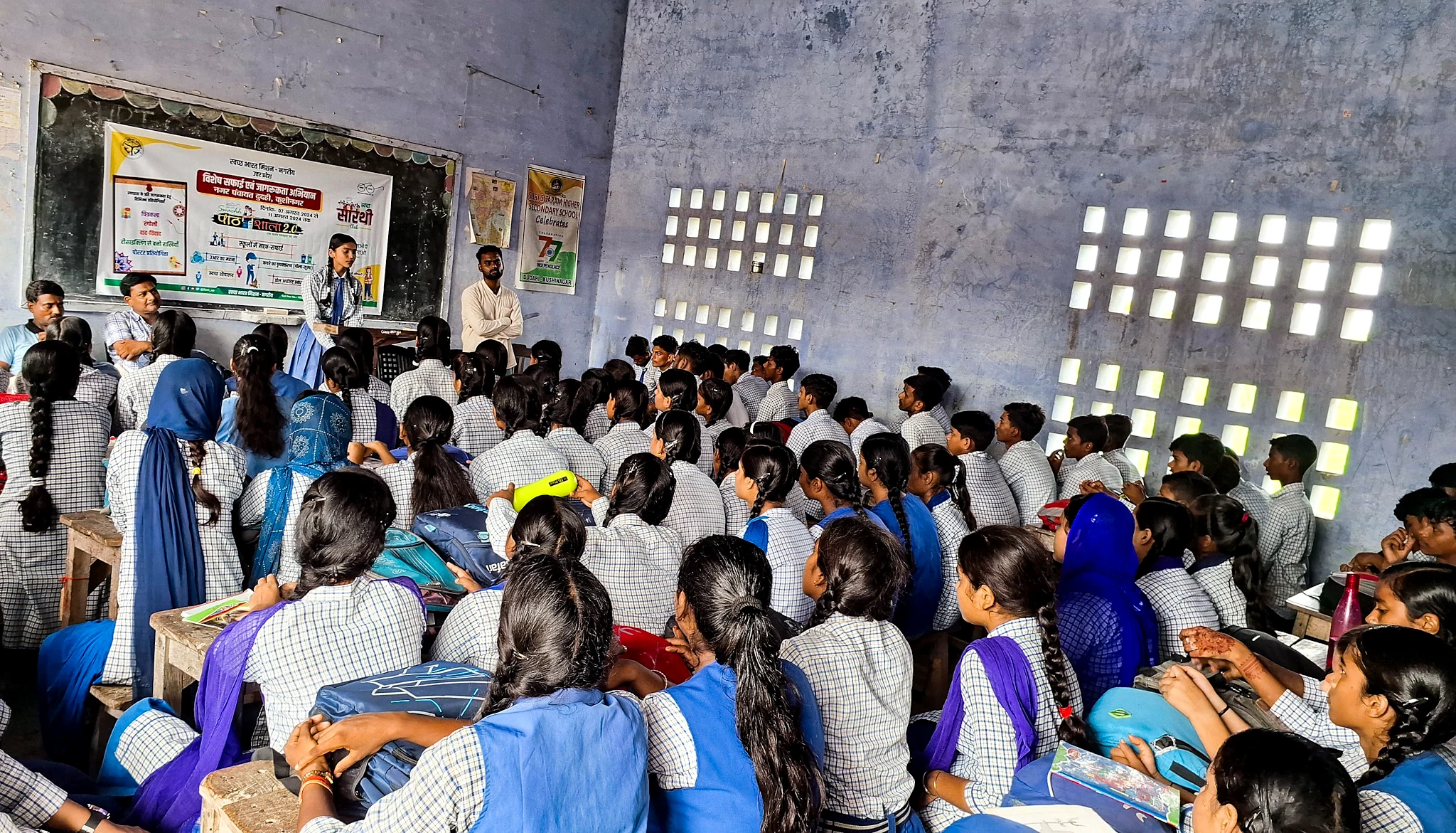
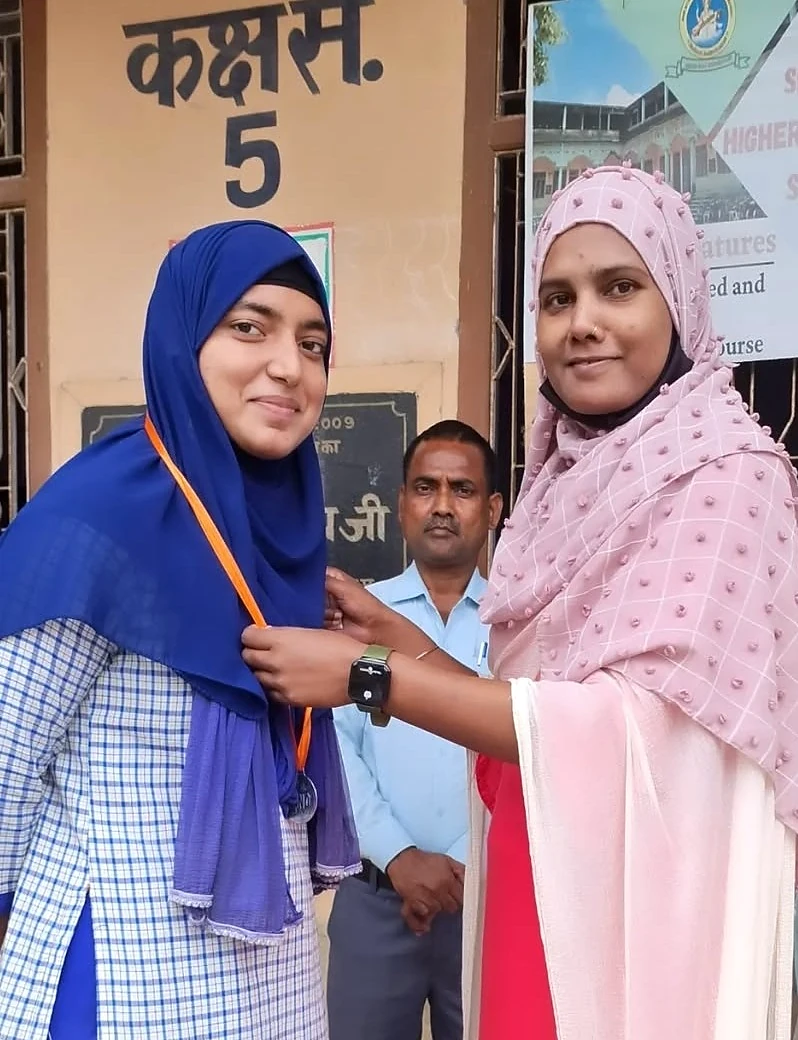
Develop the whole person through experience and relationship.
Exploration includes the outer world of people, nature and ideas, as well as the inner world of values, emotions, identity and purpose.
Social development helps students become responsible and respectful individuals who can work cooperatively with others. Through group activity, school events and everyday relationships, learners practise empathy, build positive connections and understand the value of diversity.
Spiritual development concerns purpose, meaning, values and ethics. Students are encouraged to develop a constructive relationship with themselves, with other people and with the natural environment. This strengthens positive self-image, belonging and the resilience to remain grounded when circumstances change.
Cognitive development builds critical thinking, problem-solving and decision-making. Students learn to examine evidence, compare possibilities, explain reasoning and revise an idea when new understanding emerges. These habits support independent learning and responsible citizenship.
Physical development is essential to a healthy lifestyle. Movement, sport and practical activity promote fitness while also developing self-discipline, perseverance, teamwork and the satisfaction of progress achieved through consistent effort.
Emotional development begins with self-awareness. Through conversation, activity and supportive guidance, students learn to recognise emotions, understand identity and express themselves in constructive ways. Emotional intelligence enables learners to respond rather than react and to build healthier relationships with others.
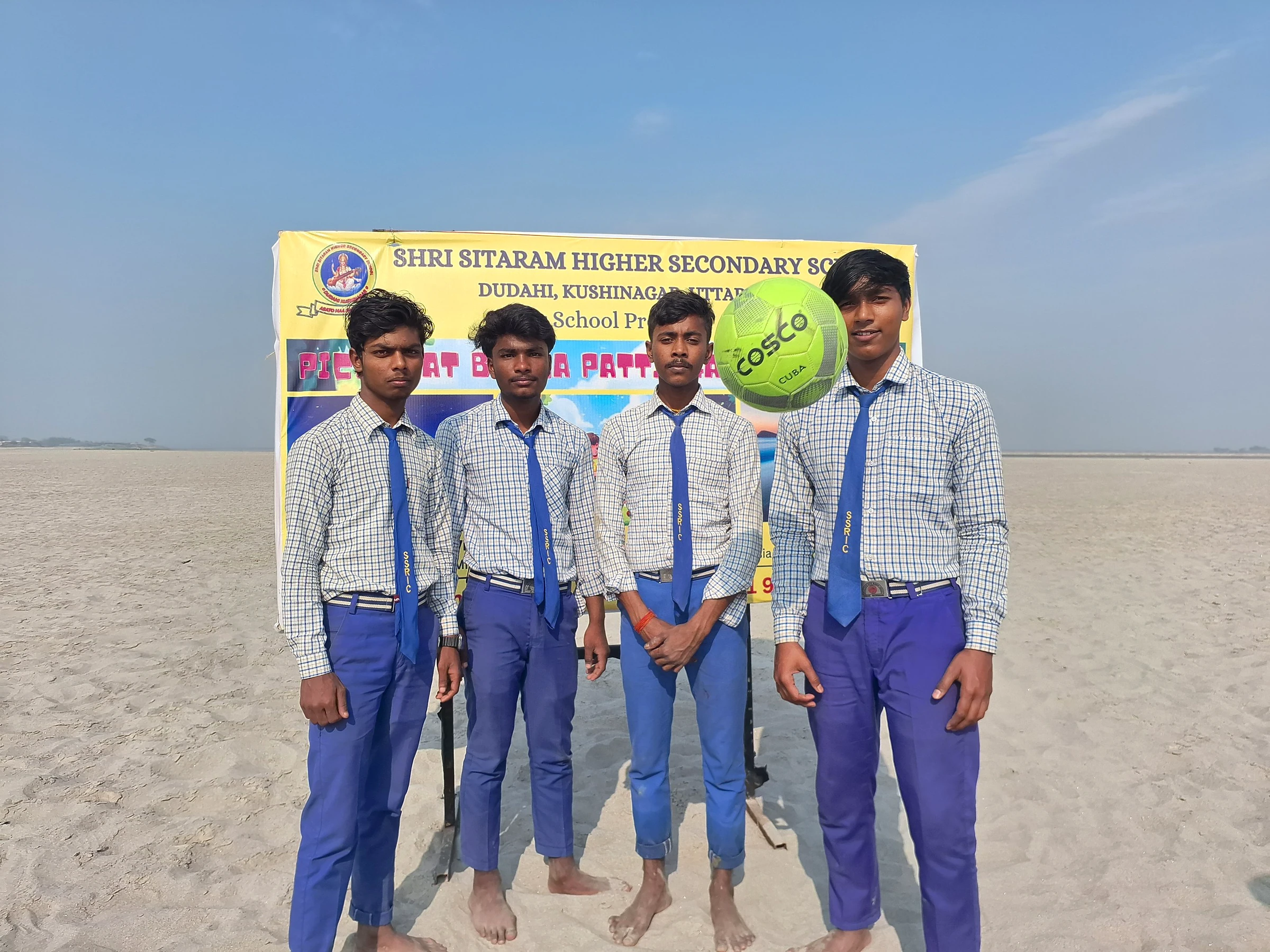

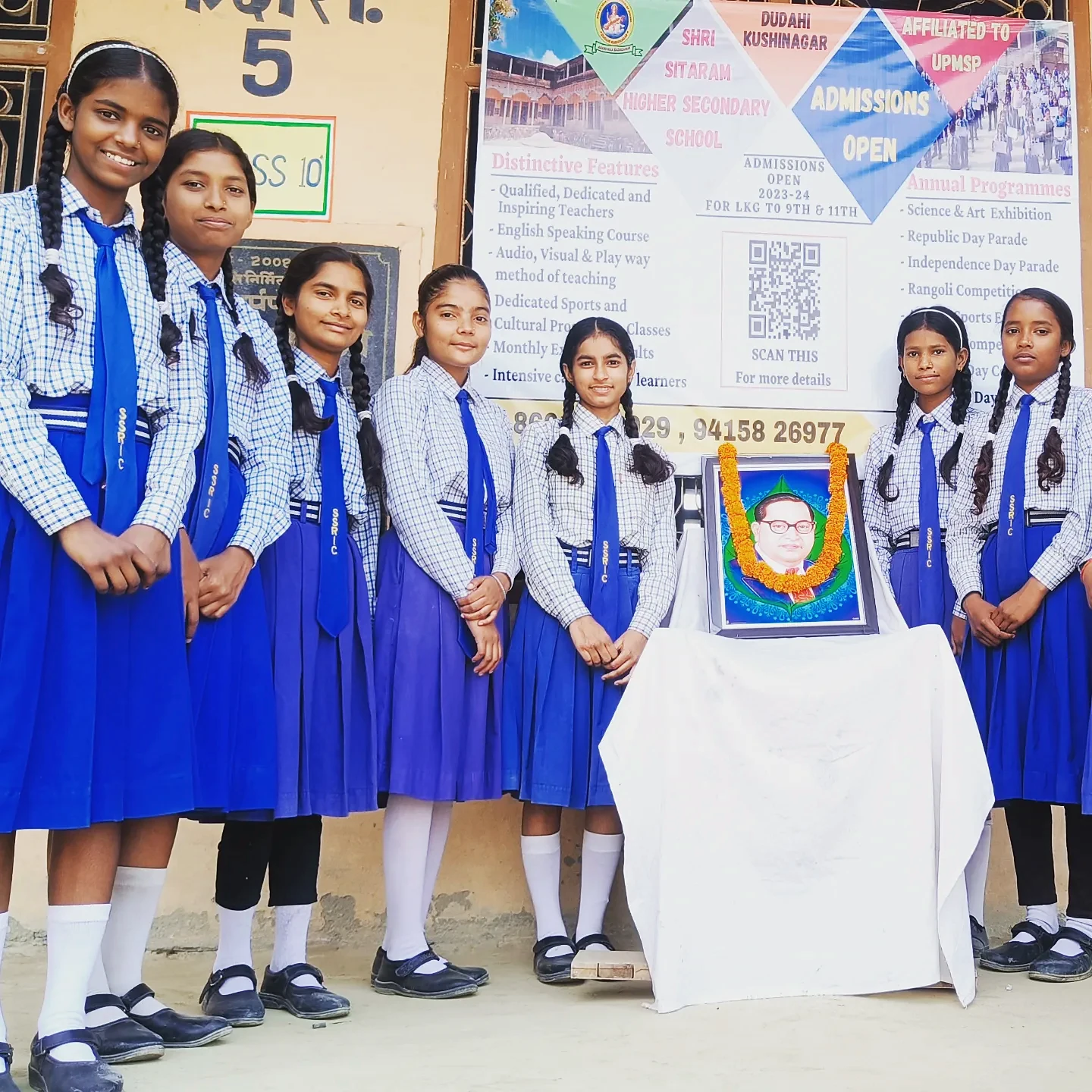
Create space for experimentation, communication and original ideas.
Innovation is not limited to technology. It begins whenever a learner examines a problem, imagines a possibility, tests a solution and learns from the result.
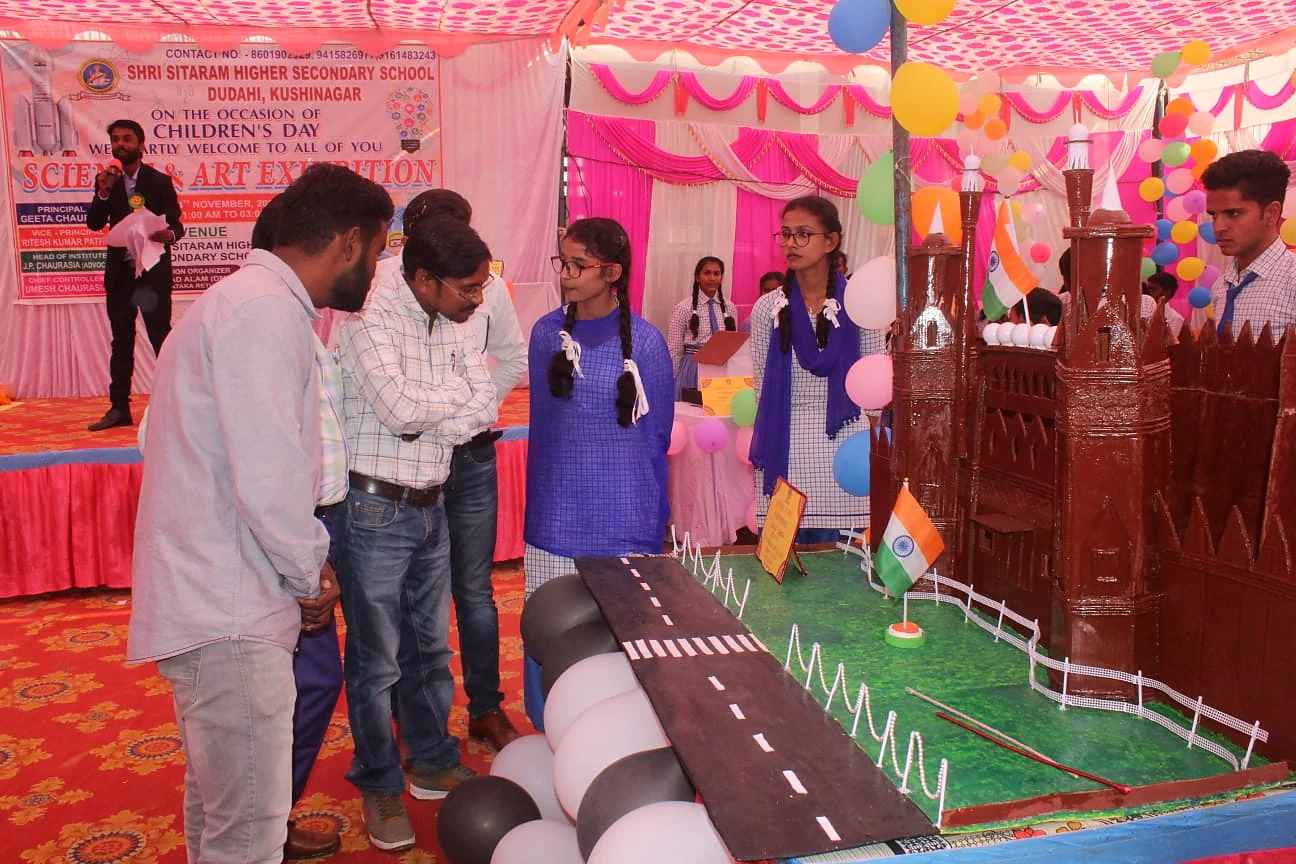
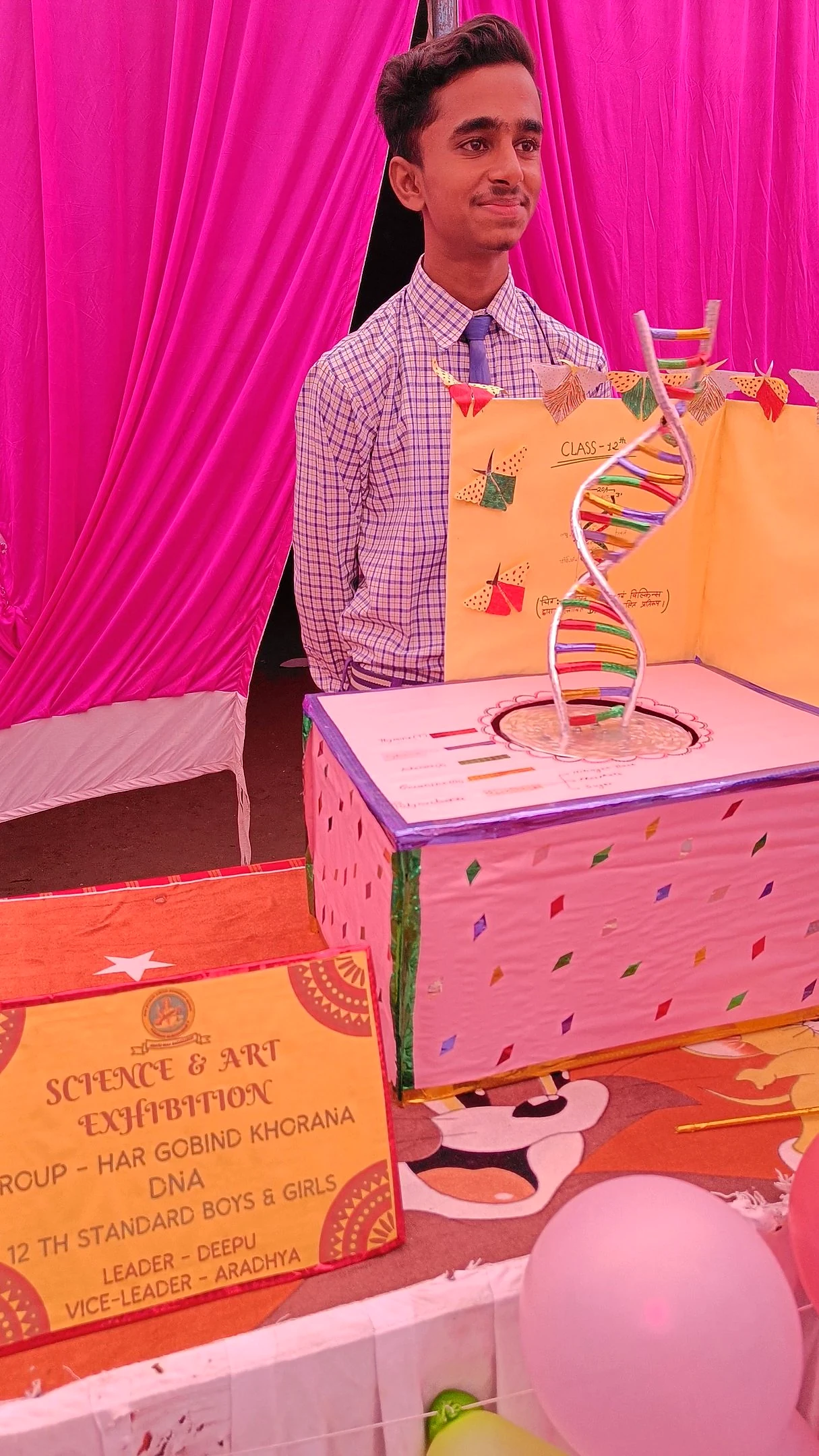
Hands-on learning turns students from observers into participants. Models, exhibitions, demonstrations, projects and practical tasks allow learners to test what they understand and discover the difference between knowing an idea and applying it successfully.
Communication and creativity are essential to innovation. Students need opportunities to explain a process, present a design, listen to questions and improve their work. When learners can express an idea clearly, they also begin to understand that idea more deeply.
We aim to create a safe space for experimentation and discovery. A thoughtful attempt that does not succeed immediately can still produce valuable understanding. Students learn to inspect results, identify assumptions and try again with greater precision.
Exploring new concepts also teaches intellectual courage. Learners become more willing to move beyond familiar answers, connect different subjects and imagine how knowledge might respond to real needs in society.
Turn experience into skill, judgement and leadership.
Education should change what a learner is able to do, how a learner understands responsibility and the confidence with which that learner can contribute.
Repeated engagement with practical learning develops usable skill. Students gradually learn to organise work, manage time, communicate with a team and complete an idea with attention to detail. These capabilities transfer across subjects and into later life.
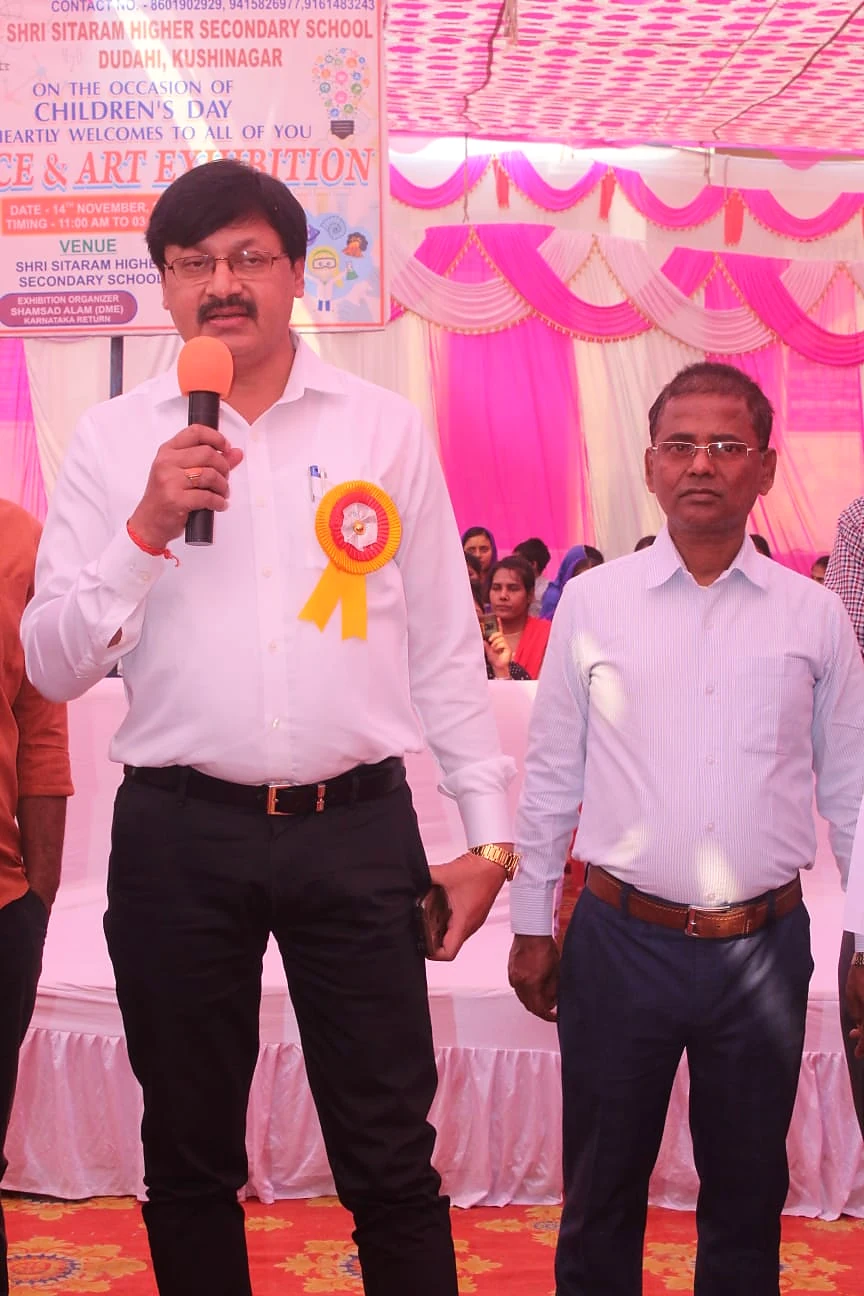
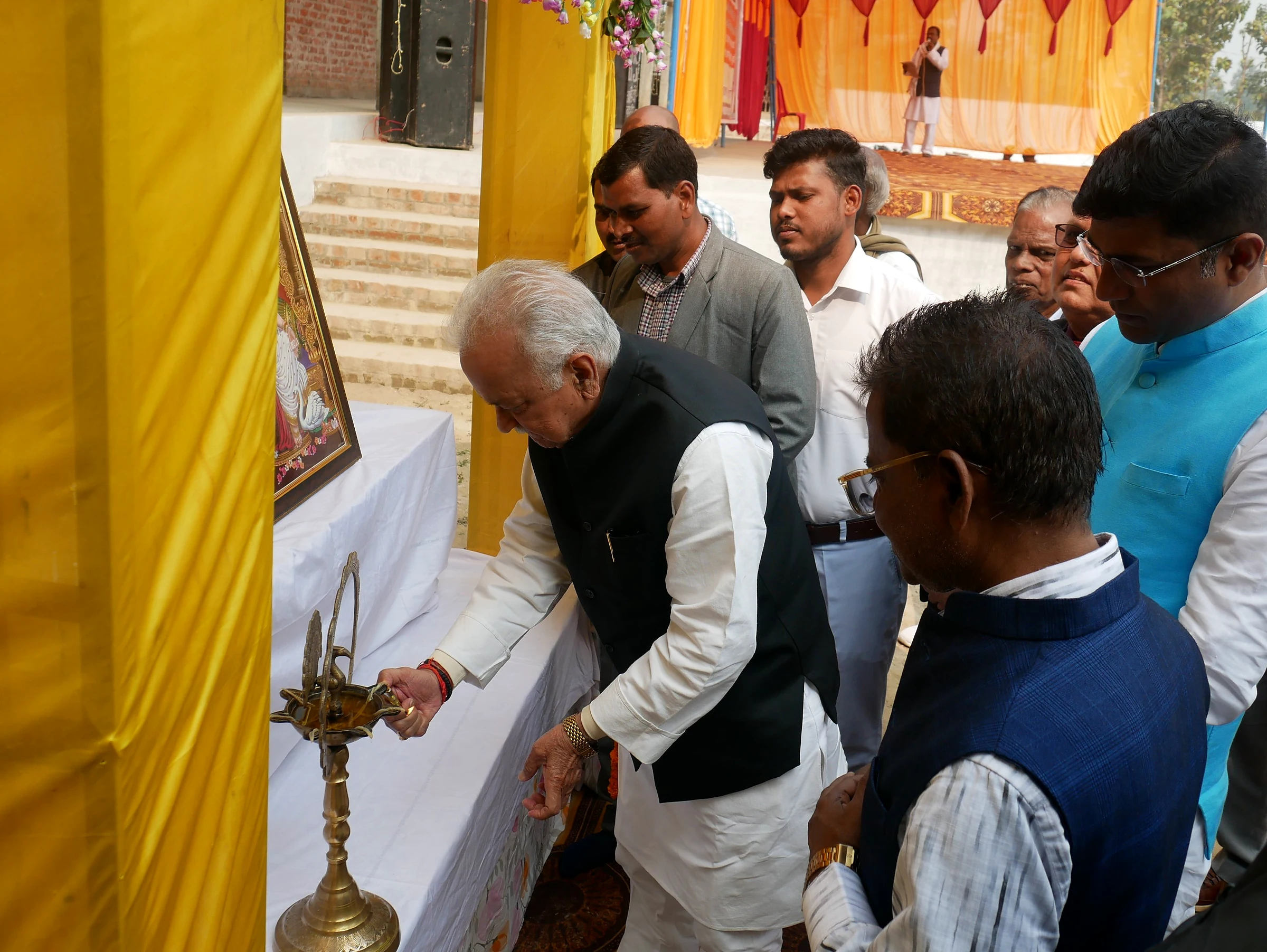
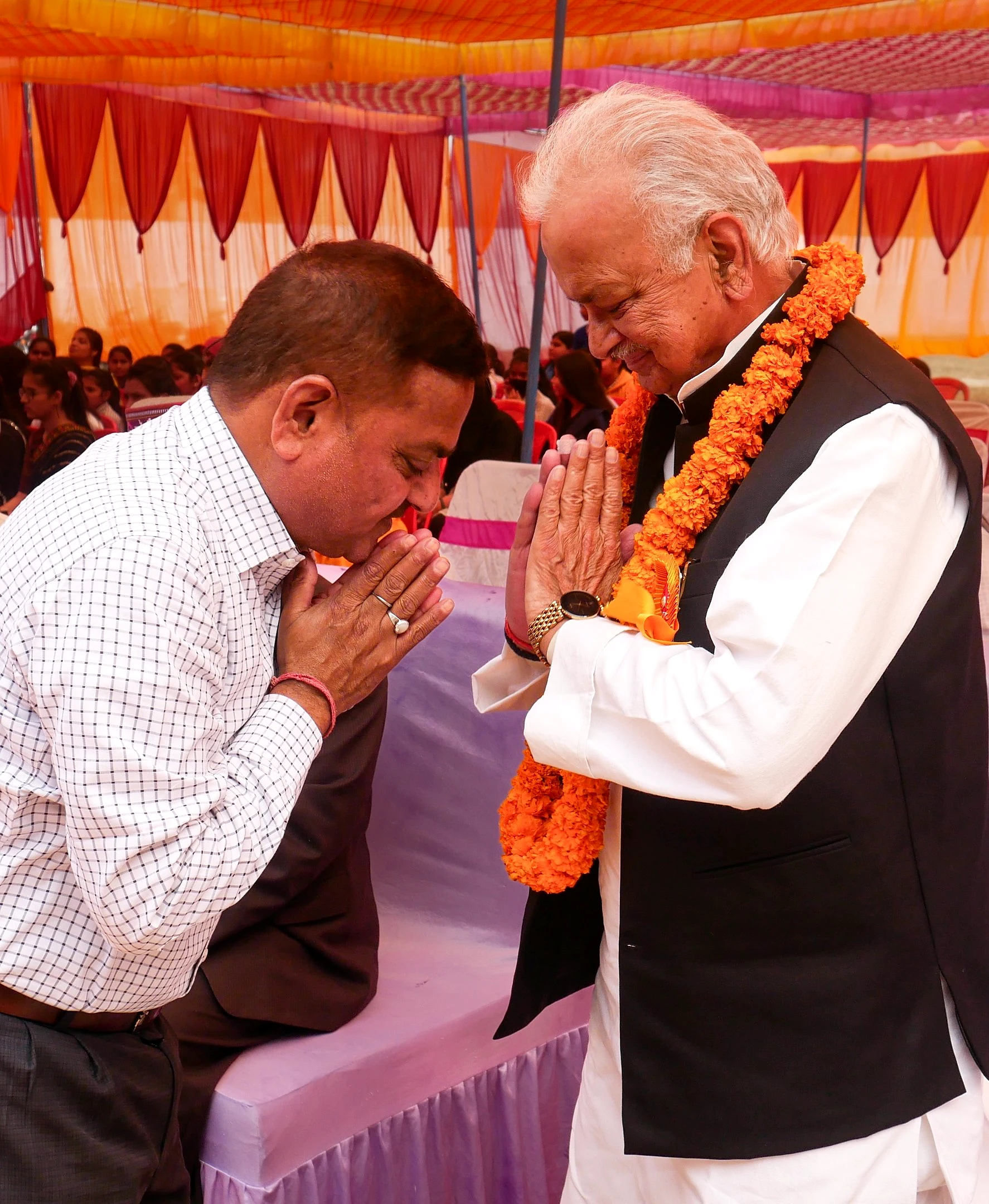
Insights from educators, visitors and community experts connect school learning with wider experience. Students see that knowledge develops across generations and that expertise carries an obligation to guide others.
Leadership is cultivated through participation rather than title alone. Learners receive opportunities to take initiative, support peers, speak with clarity and accept responsibility for the outcome of a shared task.
To evolve is also to remain reflective. Students consider the effect of their decisions, recognise areas for further growth and understand that education is not a finished stage but a lifelong relationship with learning, character and service.
The outcome is a capable, reflective and responsible young person.
Academic understanding, emotional intelligence, practical skill, physical well-being, social awareness and an ethical sense of purpose are developed together—because the future will require all of them.
Experience our approach